The promotion you didn’t know you were in the running for
Succession conversations happen in rooms you are not in. If the people in those rooms cannot describe what you do, you are not on the list — regardless of your performance review.
Press Esc to close · / to open search anywhere
How to Improve Personal Branding in the Oil and Gas Industry — published by Productivity Press, an imprint of Routledge, on 23 July 2026.
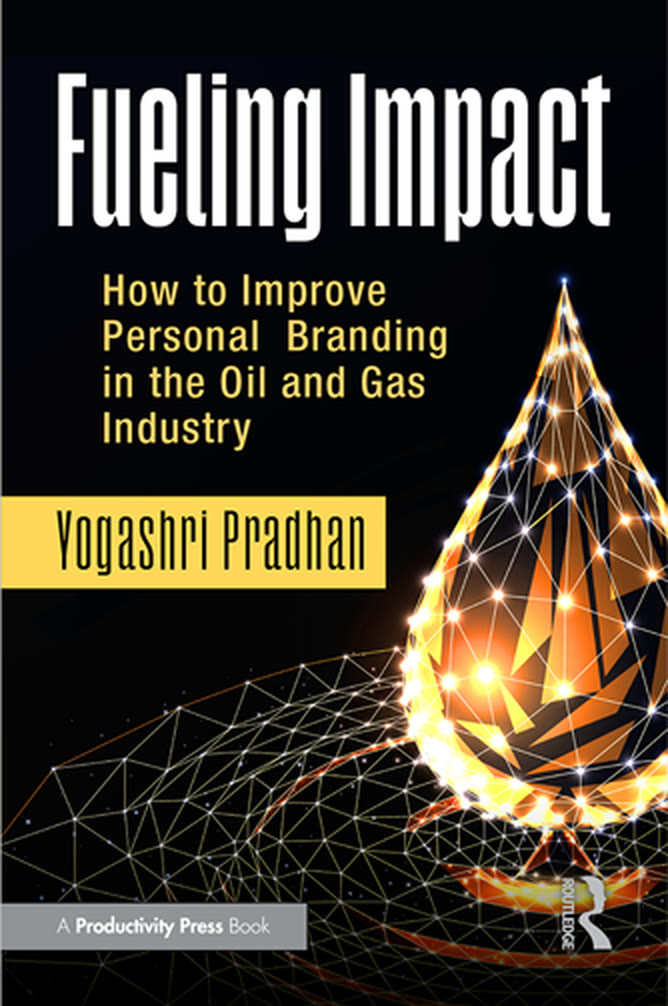 2026New Release
Productivity Press
2026New Release
Productivity PressOur industry runs on humility and technical rigor. Those values built something genuinely admirable — a culture that is safe, careful, evidence-driven and resilient through cycles that would have broken other sectors.
But they came with a cost. We taught a generation of engineers that the work speaks for itself, and then watched excellent people get passed over: women, early-career talent, and anyone whose contribution lived in a report nobody outside the team ever read.
Visibility is not vanity. It is a form of leadership — and like any engineering discipline, it can be learned, practised and measured.
Succession conversations happen in rooms you are not in. If the people in those rooms cannot describe what you do, you are not on the list — regardless of your performance review.
In a downturn, budget decisions get made fast and coarsely. Being a known quantity outside your immediate team is the cheapest insurance policy an engineer can buy.
Technical findings that never get translated into a story leadership can act on are, functionally, findings that never happened.
From pumpjacks to podiums. From SCADA screens to social media. From compliance reports to conference stages. Three stages, in order — because skipping the first one is how personal branding earns its bad reputation.
Everything starts with work worth talking about. This stage is about auditing your actual technical credibility — the results, the rigor, the domain depth that earns you the right to an opinion.
Translation. Taking a decline curve, a workover result or a frac design change and turning it into something a non-technical decision-maker remembers a week later.
Consistency beats intensity. The channels — internal presentations, SPE papers, LinkedIn, conferences, teaching — and a cadence you can actually sustain alongside a full-time technical job.
This is a practitioner’s book. It is structured around exercises you complete, case studies from real careers, and the specific lessons from building two ventures in public.
Each stage of Field-to-Feed comes with structured exercises — credibility audits, story-drafting templates, and a channel-and-cadence plan you finish the chapter holding.
Real examples of technical professionals who built recognition without leaving the technical track — and the specific moves that made the difference.
The book draws directly on Yoshi’s own brand-building journey — founding a consulting firm and taking a growth role at an AI company, both of which depended on being known before there was anything to sell.
Women, early-career talent and underrepresented voices get particular attention — not as a diversity footnote, but because they carry the highest cost when an industry assumes good work announces itself.
You are technically excellent and quietly frustrated that it hasn’t translated.
You watched someone less capable get the role because they were better known.
You find self-promotion genuinely uncomfortable and want a version that isn’t.
You’re early-career and want to build the habit before you need it.
You lead a technical team and want them recognised beyond your department.
You’re moving from operator to consulting, and your network is your pipeline.
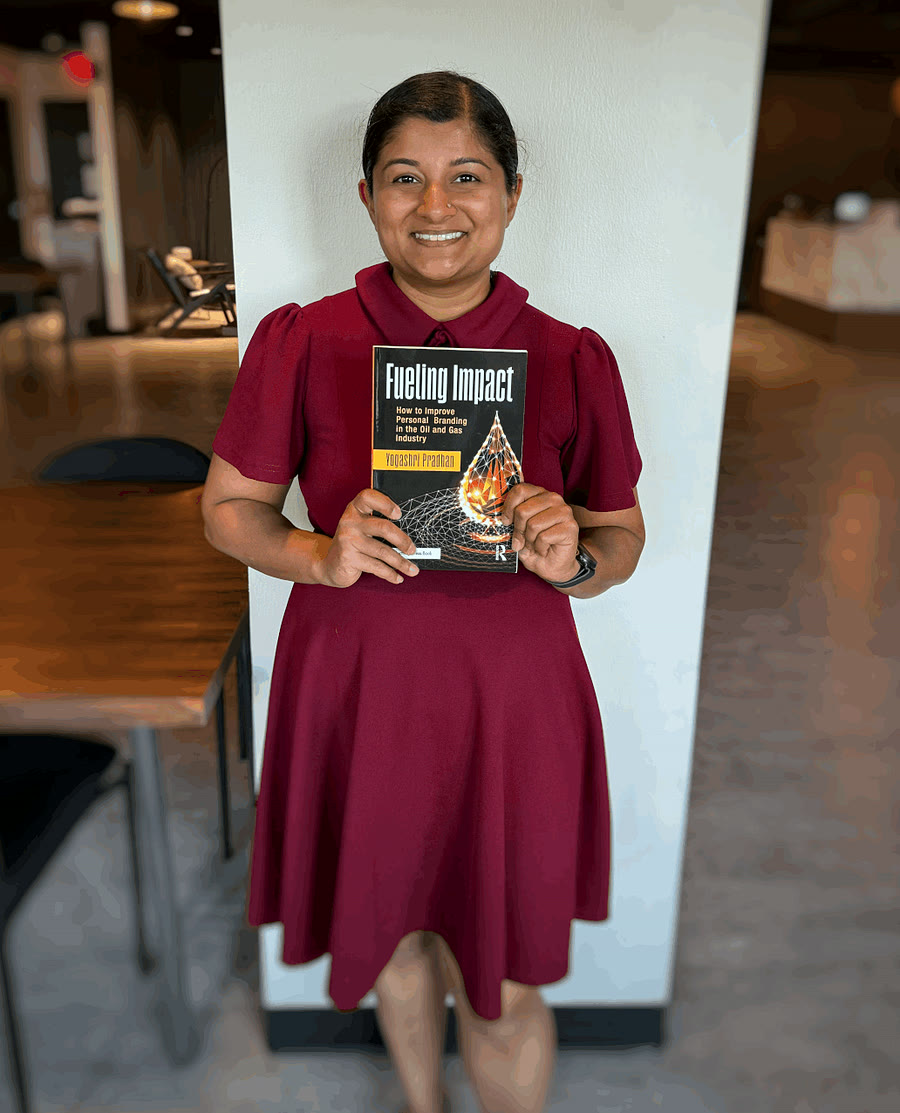
Yoshi spent over a decade in unconventional asset development and production engineering across the Midland and Delaware Basins, most recently as Lead Production Engineer at Chevron.
She is Chief Growth Officer at OPX Ai and the founder of IronLady Energy Advisors, a consulting firm offering technical solutions for all forms of energy. She teaches as an adjunct professor at UT Arlington and UT Permian Basin.
She holds a B.S. in petroleum engineering from UT Austin, an M.S. from Texas A&M, and an MBA from the University of Chicago Booth School of Business. She is a licensed Professional Engineer in Texas and New Mexico, a Hart Energy 40 Under 40 honouree, and a recipient of SPE’s International Young Member Outstanding Service Award.
Yoshi PradhanFull biography →Seven printable PDFs covering skills, indicators, AI, career roadmaps and interviews. Same voice, zero cost.